Optimus Is Back
Rescore Analysis Breakdown

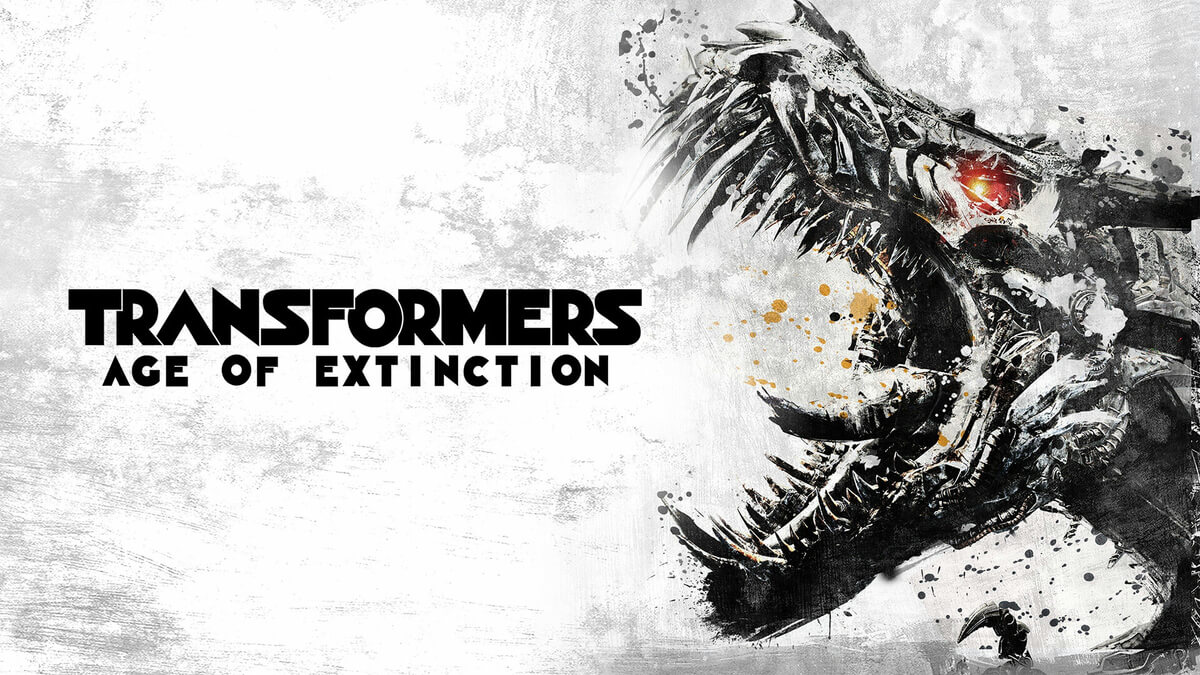
In this scene from Transformers: Age of Extinction (2014), Optimus Prime emerges from hiding. Driving through Monument Valley, he calls the remaining Autobots, scans a new semi-truck form, and transforms before reuniting with his team. It functions as a reintroduction, but within a world that has turned against the Transformers.
This moment is nothing like the triumphant arrival from the first film. The Autobots are being hunted. Allies have been lost. The world no longer welcomes the Autobots despite everything they have done. I approached this scene as a bittersweet moment. Optimus returns as usual, but not as the leader the audience has come to expect in the previous films. This Optimus Prime is someone who is shaped by loss.
Typically in a film franchise, the fourth film serves as a soft reboot. New characters take center stage and with that new story and music beats replace what the audience knows from the original trilogy. The fourth film serves to introduce a newer story that widens the scope and new music themes replace the original ones.
For this scene, I didn’t want to replace the Optimus Prime motif that Steve Jablosnky wrote in the first Transformers movie and was used in the two sequels. The music rescored throughout the scene builds upon the musical themes written by Steve Jablonsky. Midway through the video when Optimus is driving through Monument Valley, the original theme is introduced, but reworked into a different harmonic key. The intention was to continue using Optimus’ already established motif, while reflecting the change in the fourth movie. This shift signals that within the context of this film, the Transformers have entered into a new era.
The whole musical composition is centered in E minor, which presents a bittersweet theme. The brass provides this sense of heroic since Optimus Prime is back. The strings offset this by providing the emotional sound to help contrast that this is not the same feeling as experienced in the first three movies. As Optimus transforms at the end, the music builds toward a crescendo and ends abruptly. This doesn’t yield the music closure that satisfies what the audience wants or expects since this film is different.